
Project COMPASS: Comprehensive Obesity Management Pathways Across Systems
Advancing Evidence-Based Obesity Care Through National Quality Improvement
The quality improvement initiative is supported by a grant from Lilly.
The American Association of Clinical Endocrinology (AACE) is proud to launch Project COMPASS (Comprehensive Obesity Management Pathways Across Systems) — a national, two-year quality improvement (QI) collaborative designed to improve the diagnosis, documentation, and evidence-based management of obesity across diverse U.S. health systems.
Obesity affects approximately 41% of U.S. adults, yet it remains underdiagnosed, undertreated, and inconsistently managed in clinical practice. Project COMPASS is AACE’s strategic response — aligning education, implementation science, and measurable QI to transform obesity care at the system level.
Why Project COMPASS?
Despite strong clinical evidence and established AACE guidance:
- Obesity is inconsistently documented in the medical record
- Only 40% to 50% of people with obesity receive a formal diagnosis
- Fewer than half receive lifestyle counseling
- Pharmacotherapy utilization remains under 5% nationally
These gaps represent significant missed opportunities to intervene early, reduce comorbidities, and improve long-term metabolic health.
Project COMPASS addresses these gaps through structured, data-driven QI using nationally recognized improvement methodologies.
Program Overview
Project COMPASS is a national QI collaborative engaging three diverse health systems (academic, community, and rural) in a structured improvement process over two years.
University of Iowa Health Care
(UI Health Care)
Iowa City, IA

Kaiser Permanente: Southeast Permanente Medical Group
Jonesboro, GA

Eastern Virginia Medical School at Old Dominion University
Norfolk, VA

AACE’s health system partners will:
- Conduct baseline assessments of obesity care patterns
- Perform structured root cause analyses
- Implement targeted workflow and care pathway interventions
- Track measurable outcomes through iterative improvement cycles
- Share best practices nationally
The initiative is grounded in:
- The Institute for Healthcare Improvement (IHI) Model for Improvement
- The Agency for Healthcare Research and Quality (AHRQ) Science of Improvement methodologies
- The American College of Physicians (ACP) Quality Improvement (QI) Curriculum
- Plan-Do-Study-Act (PDSA) cycles
- Data dashboards and benchmarked metrics
Core Areas of Focus
Standardized Screening & Diagnosis
- Embed EHR tools and workflows
- Improve BMI documentation and diagnostic coding
- Normalize obesity as a chronic disease diagnosis
Provider & Patient Engagement
- Deploy practical toolkits and conversation aids
- Reduce stigma and bias in obesity care
- Strengthen pharmacotherapy and behavioral counseling confidence
Multidisciplinary Care Integration
- Strengthen referral pathways to:
- Nutrition services
- Behavioral health
- Physical activity programs
- Pharmacotherapy
- Bariatric surgery
Measurable Outcomes
Project COMPASS is designed to produce objective, trackable improvements.
Primary Targets
- Increase BMI documentation (target: 60% → 90%)
- Increase formal obesity diagnosis (target: 45% → 75%)
- Increase evidence-based treatment delivery
Secondary Outcomes
- ≥5% weight loss in 25% to 30% of enrolled individuals at 12 months
- Improved waist-to-height and waist-to-hip ratios
- Increased follow-up visits for obesity management
Balancing Measures
- Provider workflow burden
- Patient satisfaction with care
Addressing Root Causes
Each participating health system will conduct structured root cause analyses using process mapping and fishbone methodologies to address barriers such as:
- Administrative burden and inconsistent EHR coding
- Limited multidisciplinary integration
- Gaps in provider education and pharmacotherapy confidence
- Weight bias and stigma impacting patient engagement
By tailoring interventions to local system challenges, Project COMPASS ensures durable change rather than one-time education.
Participating COMPASS sites build capacity for long-term recognition within the Center of Excellence network — ensuring sustainability, scalability, and alignment with AACE’s global strategy for metabolic care improvement.
AACE Leadership in Quality Improvement
With more than 35 years advancing endocrine care, AACE has a proven track record in convening QI collaboratives, translating education into measurable practice change, and integrating implementation science into clinical improvement initiatives.
Project COMPASS builds on that foundation — advancing AACE’s Education and QI Global Priorities (2024–2028) and positioning AACE as the leading medical society defining and scaling quality in endocrine and metabolic care.

Additional Resources
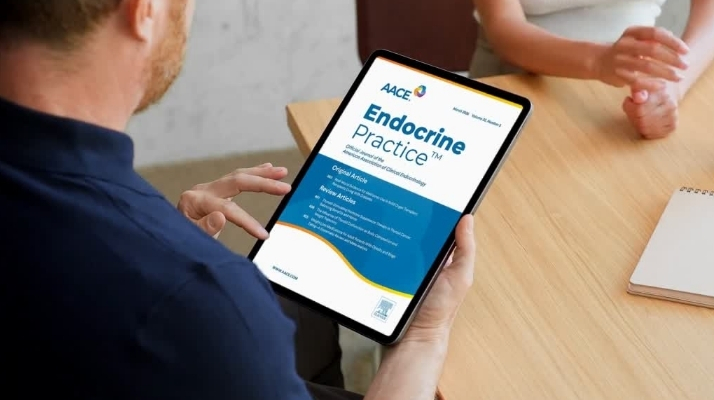
Nutrition and Obesity Clinical Guidance Documents
Explore AACE’s nutrition and obesity clinical guidance documents for evidence-based, patient-centered recommendations, clinical practical algorithms, and real-world insights to support screening, diagnosis, and treatment across the continuum of obesity management.
Learn More
AACE Journey For Patients With Obesity
Provide your patients with a reliable roadmap of the latest obesity information and resources they need by pointing them to the AACE Journey for Patients With Obesity. The Journey is derived from our clinical guidance documents and reviewed by the Obesity Action Coalition, a leading patient advocacy organization.
Learn More
Obesity Resources
Access our obesity courses featuring the latest advancements and information on improving obesity diagnosis and treatment.
Learn More