

AACE’s Preventing Diabetic Ketoacidosis: Clinical Decisions in Action is a dynamic complimentary program tailored for endocrinologists and their interdisciplinary teams—including nurses, NPs, PAs, and diabetologists—as well as primary care clinicians managing patients with diabetes. Despite remarkable advances in diabetes technology, diabetic ketoacidosis (DKA) still drives over 188,000 U.S. hospitalizations each year, and many clinicians feel underprepared to apply prevention and early-intervention protocols in high-risk populations. To close these persistent educational gaps—limited ketone monitoring, inconsistent sick-day insulin adjustments, and unfamiliarity with emerging tools such as continuous ketone monitoring (CKM)—this program translates foundational knowledge into real-world decision-making through interactive patient cases.
Learners move through structured case discussions, interactive modules, and actionable resource walkthroughs that reinforce guideline-based diagnostic criteria, sharpen interpretation of glucose and ketone trends, and build confidence in early recognition and prevention strategies. Along the way, participants strengthen existing ketone-monitoring practices and gain insight into technology-enabled care approaches that drive earlier intervention, better patient outcomes, and lasting clinical impact.
8/31/2026
8/31/2027
Upon completion of the program, participants will be able to:
- Interpret glucose and ketone patterns to identify patients at risk for DKA.
- Apply protocols for early intervention and management across diverse clinical scenarios.
- Implement individualized sick-day management plans integrating patient preferences.
- Demonstrate shared decision making during metabolic instability episodes.
- Integrate CGM and better understand how emerging technologies such as CKM can support proactive DKA prevention especially for populations at high risk.
The primary target audience for this program is endocrinologists and the endocrine care team, including nurses, nurse practitioners (NPs), physician assistants (PAs), and diabetologists. However, primary care providers and other clinicians treating patients with diabetes, may also access this program.
SPEAKERS
FACULTY

Professor Ketan Dhatariya
Consultant Diabetes & Endocrinology / Honorary Professor
Endocrinology & Diabetes, NNUH, Colney Lane, Norwich, Norfolk
Norwich Medical School, University of East Anglia
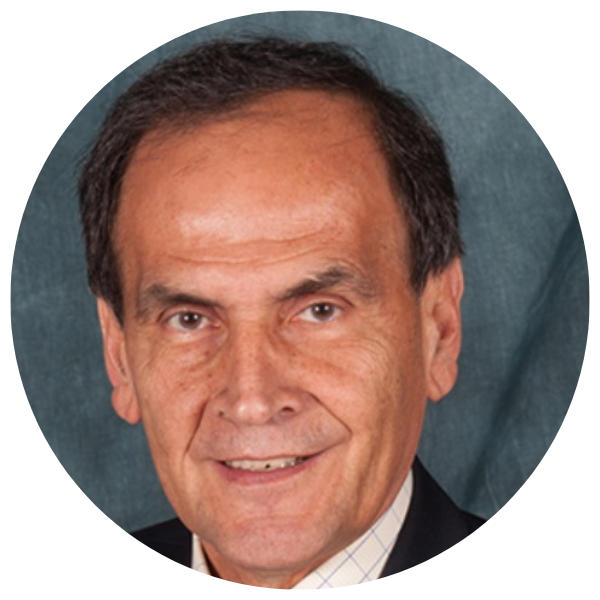
Guillermo E. Umpierrez, MD, CDCES, MACE, MACP
Professor of Medicine
Emory University School of Medicine
Atlanta, GA
This activity is supported by an educational grant from Abbott Diabetes Care.