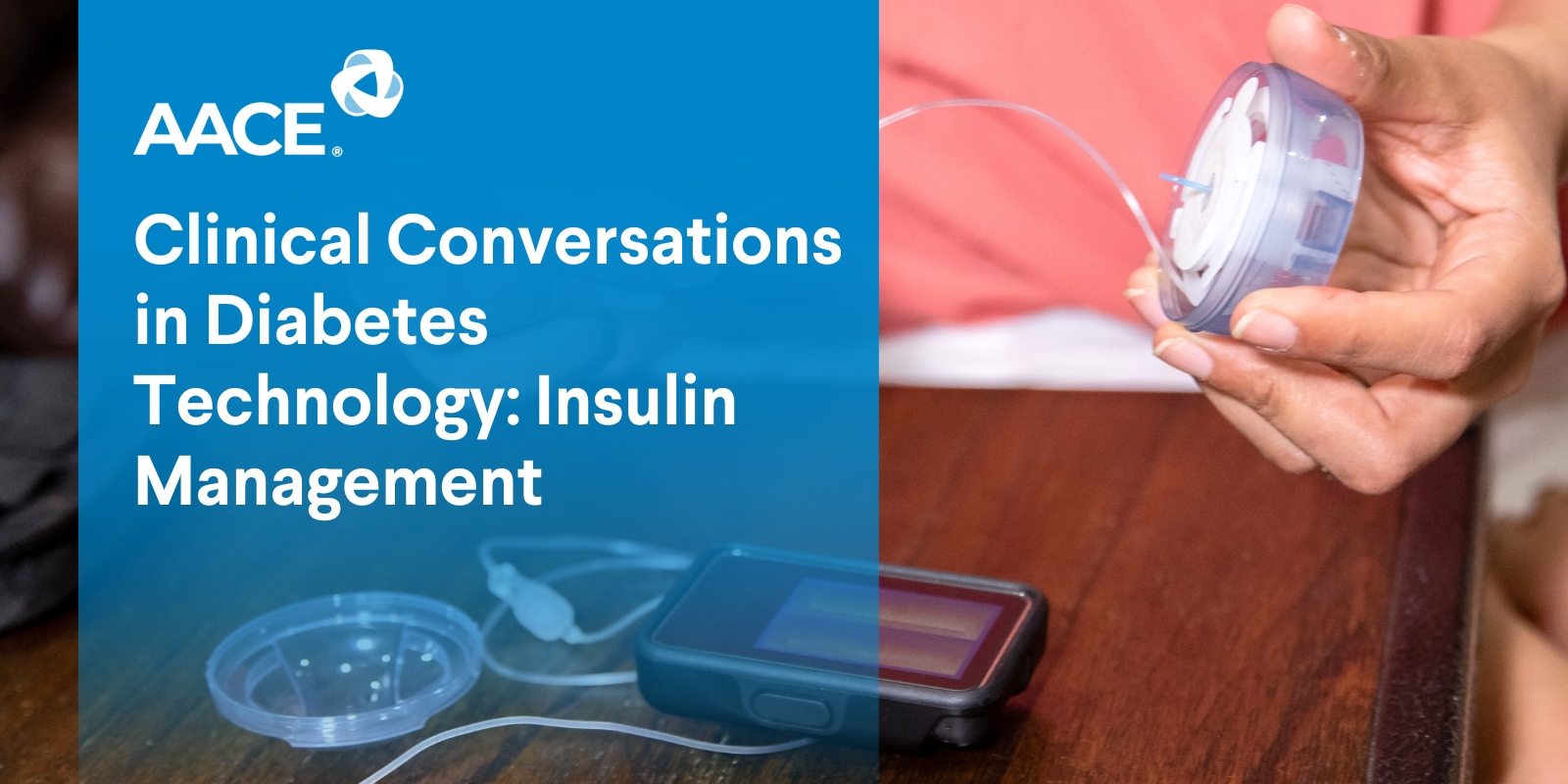
This complimentary course empowers health care providers to break through therapeutic barriers in diabetes care by mastering the integration of continuous glucose monitoring (CGM), smart insulin delivery systems, and connected devices into clinical practice.
Through interactive case studies and real-world scenarios, participants will develop practical strategies to overcome therapeutic inertia, enhance patient communication about insulin therapy, and implement diabetes technology with confidence—including proper billing, documentation, and workflow integration.
The curriculum addresses critical gaps in diabetes technology adoption while providing evidence-based solutions for optimizing glycemic control through systematic interpretation of CGM data, ambulatory glucose profiles, and personalized treatment approaches that significantly improve patient outcomes in primary care and specialty settings.
1/31/2026
1/31/2027
Upon completion of this program, participants will be better able to:
- Identify and implement evidence-based strategies to overcome therapeutic inertia in primary care diabetes management through systematic clinical approaches
- Apply effective communication techniques to enhance patient understanding of insulin therapy, addressing common barriers and misconceptions that impede treatment acceptance
- Differentiate among current and emerging basal insulin formulations to optimize glycemic control based on individual patient characteristics and clinical scenarios
- Analyze and interpret data from diabetes monitoring devices using standardized metrics to make informed treatment adjustments and optimize patient outcomes
- Integrate diabetes technology into clinical workflows with confidence, including proper billing, reimbursement strategies, and comprehensive documentation practices
This educational program is designed for primary care physicians, endocrinologists, nurse practitioners, and physician assistants who manage patients with diabetes and seek to integrate digital health technologies into their practice. The curriculum is particularly valuable for clinicians looking to overcome therapeutic inertia, enhance patient communication, and implement systematic approaches to diabetes technology adoption.
SPEAKERS
FACULTY
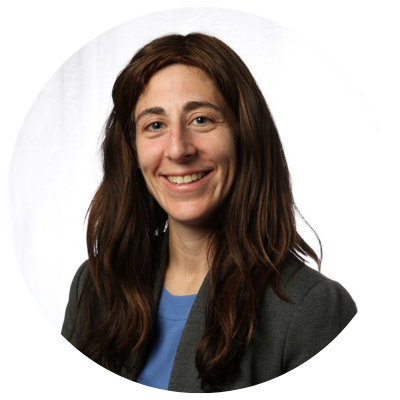
Diana Isaacs, PharmD, BCPS, BC-ADM, BCACP, CDCES, FADCES, FCCP
Endocrine clinical pharmacist
Cleveland Clinic
Cleveland, OH
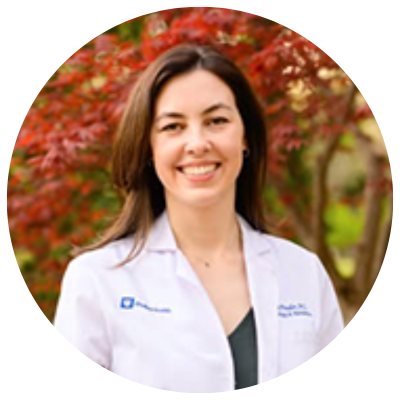
Michelle M. Ponder, MD, DABOM
Assistant Professor of Medicine
Duke University
Chapel Hill, NC
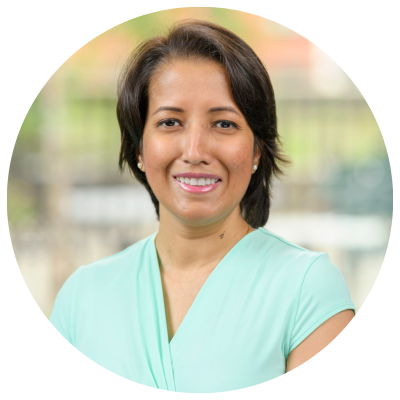
Lubaina Presswala, DO, FACOI, FACE
Assistant Attending Physician
Memorial Sloan Kettering Cancer Center
New York, NY
This activity is supported by educational grants from Medtronic Inc., Dexcom Inc., and Insulet Corporation